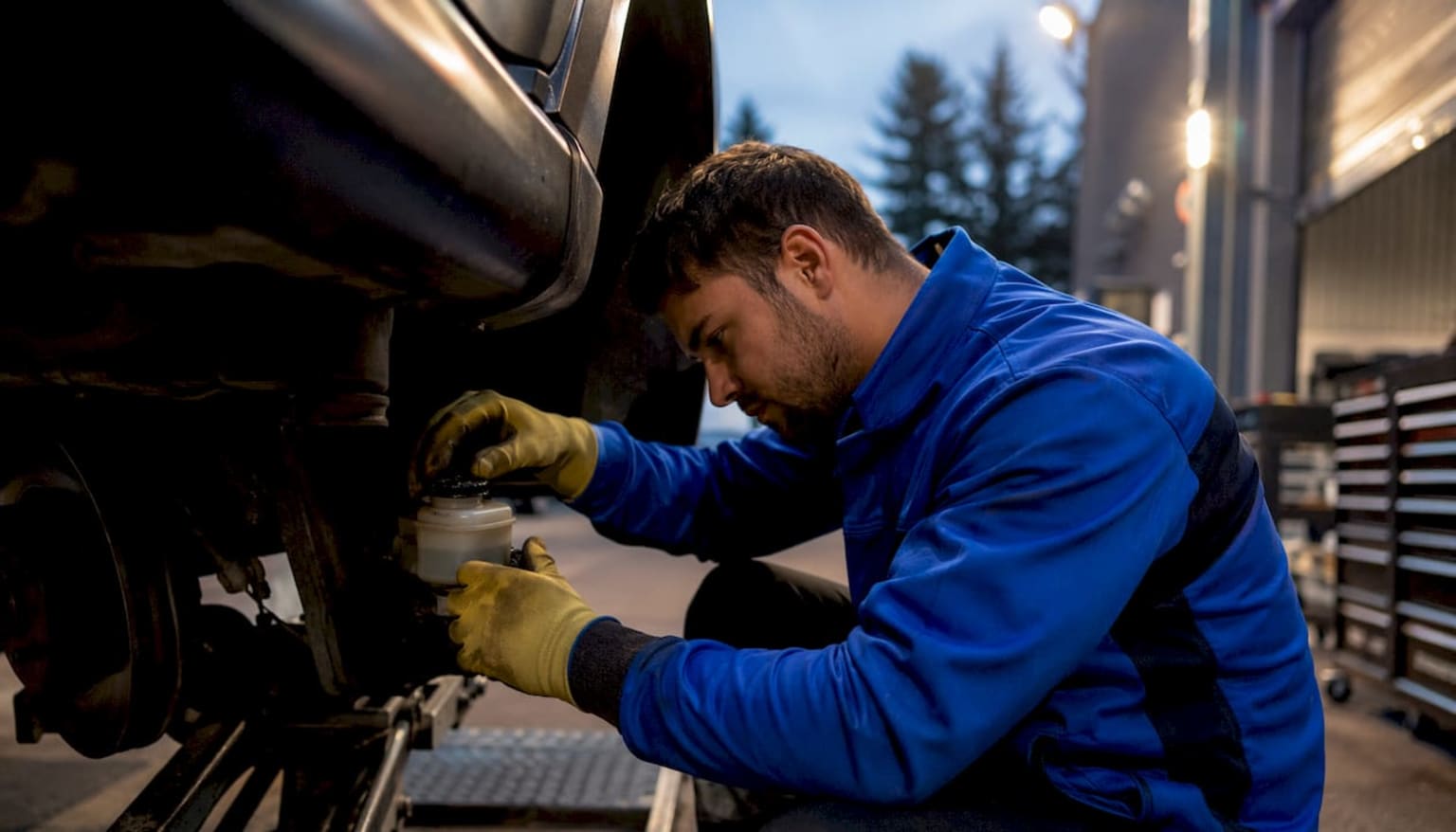
Power Steering Fluid Service: What You Need to Know
Power steering fluid service is the maintenance procedure that inspects, drains or flushes, and replaces the hydraulic fluid in your vehicle’s steering system. It keeps steering smooth, protects the pump and rack from wear, and prevents the kind of damage that turns a $100 service call into a $900 repair. Here is what the process covers:
Fluid inspection: Check color, clarity, and level to assess condition.
Drain or flush: Remove old, degraded fluid from the reservoir and system lines.
Refill: Replace with the manufacturer-specified fluid type.
Air bleeding: Purge trapped air that causes noise and pump damage.
Post-service check: Confirm fluid level, inspect for leaks, and verify steering feel.
The fluid itself is a hydraulic oil that lubricates the pump’s internal components, conditions seals, and transmits the pressure that makes turning your wheel feel effortless. Using the wrong fluid type causes seal damage, noise, and accelerated wear, so matching the fluid to your vehicle’s specifications is not optional.
Why power steering fluid service matters for your vehicle
Degraded fluid is one of the leading causes of early power steering pump failure. As the fluid ages, its anti-wear additives and seal conditioners break down, leaving metal components to grind against each other with less protection. The result is a pump that whines, stiffens, and eventually fails.
The cost gap between prevention and repair tells the story clearly. A routine fluid flush typically costs about $100, while power steering pump or rack replacement can range from $300 to $950. Skipping preventative service to avoid repair costs is generally not advisable.
Degraded fluid loses lubricity, accelerating pump vane and seal wear.
Contaminated fluid carries metal particles that act as an abrasive inside the rack.
Low fluid from an unaddressed leak risks sudden loss of steering assist.
Topping off without fixing leaks masks the real problem and worsens it over time.
Pro Tip: A car maintenance schedule that includes power steering fluid checks catches degradation before it reaches the pump.
How often should you service your power steering fluid?
Experts recommend flushing power steering fluid every 50,000 miles or every five years to prevent pump deterioration and extend steering system life. Some manufacturers recommend longer intervals, but regularly scheduled fluid changes are widely accepted as best practice by most shops.
A few factors can move that timeline earlier:
Heavy city driving puts more steering cycles on the system than highway miles.
Towing or off-road use generates extra heat that degrades fluid faster.
High-mileage vehicles (over 100,000 miles) benefit from a flush as part of a broader fluid service.
Visible fluid discoloration is a reason to service regardless of mileage.
One important distinction: many vehicles made since 2012 use electric power steering, which requires no hydraulic fluid at all. If you open the hood and cannot find a reservoir with a steering wheel symbol on the cap, your vehicle likely has electric power steering. Any whining or stiffness on that system points to a motor or sensor issue, not a fluid problem. Always confirm your system type before scheduling service. Your owner’s manual is the definitive source for both fluid type and service interval.
What actually happens during a power steering fluid service
A professional service follows a specific sequence, and knowing it helps you verify the work was done right.
System inspection: The technician checks fluid color, level, and the reservoir, hoses, pump, and rack area for leaks.
Drain or flush: A simple drain-and-fill replaces only a portion of the total fluid volume. A full system flush uses specialized equipment to exchange nearly all old fluid and contaminants, including fluid trapped in the steering gear and cooling lines.
Correct fluid refill: The technician uses the manufacturer-specified fluid. Most American vehicles use ATF-based power steering fluid; European vehicles often require specific mineral-based synthetic fluids like Pentosin CHF 11S.
Air bleeding: Foamy or bubbly fluid signals trapped air, which causes whining and poor assist. Bleeding removes it by cycling the steering wheel through full lock while the system is topped off.
Post-service verification: Fluid level, leak check, and a steering feel test confirm the job is complete.
If hoses or the pump are replaced during the same visit, bleeding becomes critical since air can enter the system during those repairs.
Signs your power steering fluid needs attention now
Your steering system rarely gives dramatic warnings. Most problems announce themselves quietly, which is why visual checks are the fastest diagnostic tool available.
Dark brown or black fluid means the additive package has failed and the fluid is carrying debris.
Milky or foamy fluid signals water contamination or trapped air, both of which destroy pump seals.
Whining or groaning when turning points to low fluid, air in the system, or a pump already under stress.
Heavier steering feel or uneven assist suggests the system is losing hydraulic pressure.
Fluid level dropping between checks almost always means a leak, not normal consumption.
Pro Tip: Pull the dipstick or look through the reservoir wall every few months. Fresh fluid is clear to light amber. Anything darker than golden brown is worth addressing before it reaches the pump.
Catching discolored fluid early costs nothing. Catching it after the pump fails costs hundreds. Check your Jeep service intervals or your owner’s manual to build this into your regular routine.
Key Takeaways
Power steering fluid service protects your pump and rack by replacing degraded hydraulic fluid before it causes wear that leads to repairs costing $300–$950 or more.
Point | Details |
|---|---|
Service interval | Flush every 50,000 miles or five years, whichever comes first. |
Cost comparison | A routine fluid flush typically costs about $100, while pump replacement can range from $300 to $950. |
Electric steering exception | About half of vehicles made since 2012 use electric power steering and need no fluid service. |
Fluid color as diagnostic | Clear to light amber is healthy; dark brown or milky fluid signals immediate service. |
Correct fluid type | Using the wrong fluid damages seals and accelerates wear; always follow manufacturer specs. |
Libertychryslerdodgejeep keeps your Chrysler, Dodge, Jeep, or Ram running the way it should. Whether you are shopping for a new Jeep or need a trusted service team to handle your next fluid service, our team is here to help you stay ahead of maintenance before small issues become expensive ones.