5 to 12 Years of Rust Perforation Warranty: How U.S. Dealers Decide
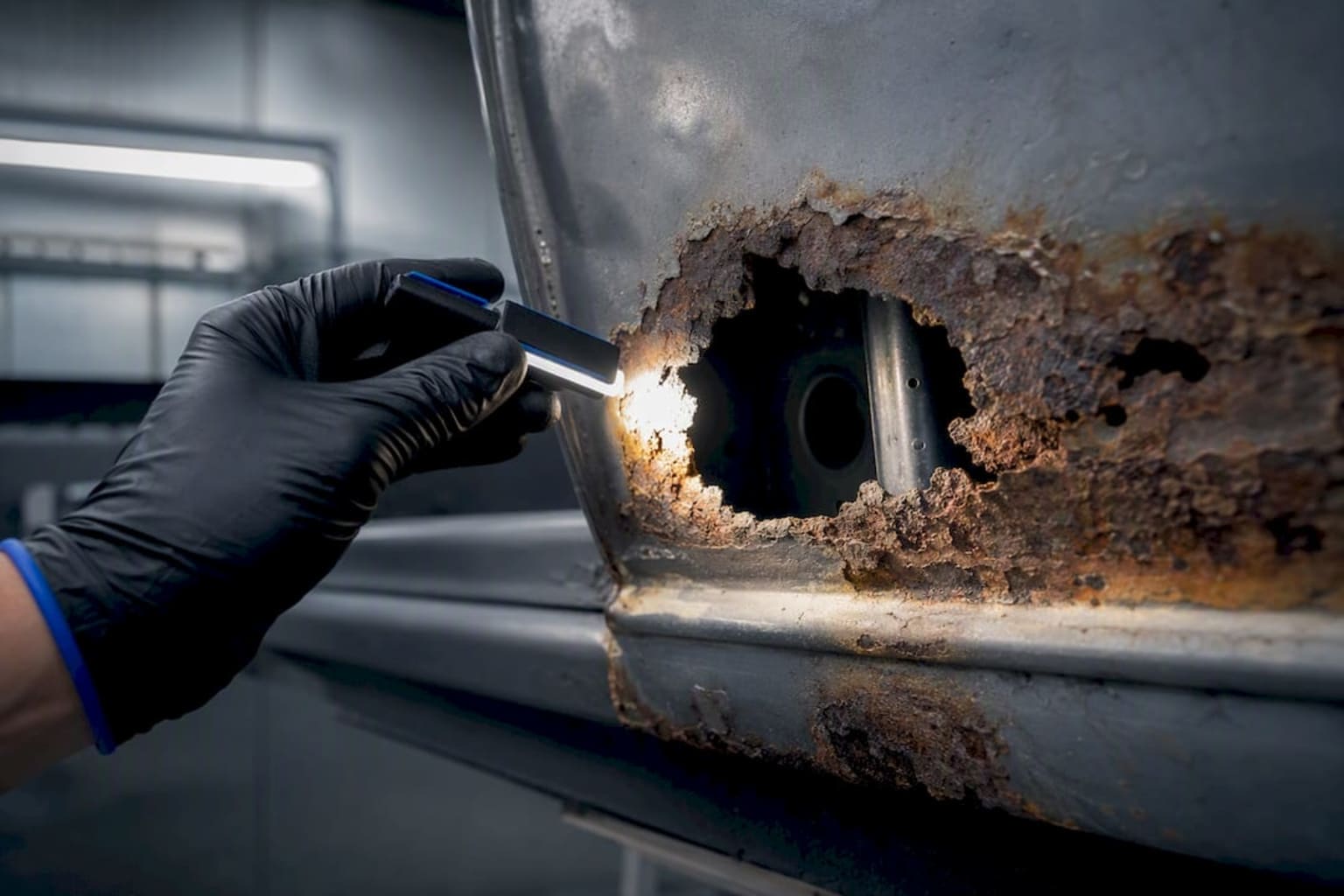
A rust perforation warranty covers metal body panels that rust through from the inside out, creating an actual hole. It almost never covers surface rust, paint bubbling, or cosmetic corrosion, no matter how bad it looks. If a claim gets approved, the manufacturer typically pays for the panel repair or replacement, parts and labor included.
TL;DR:
Rust perforation coverage lasts 5 to 12 years and begins at the vehicle’s original delivery date, with no mileage cap, but panels replaced do not reset the clock.
Coverage generally applies only to factory-installed sheet metal panels that have perforated from the inside out, excluding surface rust, paint bubbling, and cosmetic corrosion.
The claim process requires early inspection, proper documentation, and prompt repairs using factory parts, or the claim may be denied for lack of proof or delayed reporting.
Most denials are due to outside environmental causes, neglect, modifications, or rust that has not perforated yet, so careful maintenance and documentation can improve approval chances.
Disputes over denied claims can be escalated by obtaining written denial, independent inspections, and working up to manufacturer levels or legal action if necessary.
Libertychryslerdodgejeep
Get a Professional Rust Inspection
Liberty Chrysler Dodge Jeep Ram provides professional vehicle service to help you assess corrosion and understand your vehicle’s next steps.
Table of Contents
What Does a Rust Perforation Warranty Actually Cover?
Perforation means rust has eaten all the way through a body panel, front to back, leaving a visible hole. That’s the technical bar manufacturers use, and it’s a much higher bar than most drivers expect. Surface rust, bubbling paint, and cosmetic oxidation are usually excluded until the corrosion actually breaks through the metal. A rust spot on your rocker panel, no matter how ugly, generally isn’t a covered event yet.
What’s typically included: factory-installed sheet metal panels like doors, fenders, quarter panels, hoods, and trunk lids. What’s usually left out: the frame, the underbody, structural components, and bolt-on trim pieces like moldings or brackets. Some manufacturers draw these lines differently, and terms vary enough between brands that your owner’s manual is the only document with the real answer for your vehicle. That’s not a formality. It’s the manufacturer’s legal definition of perforation, and it governs every claim decision that follows.
How Long Does Rust Warranty Coverage Actually Last?
Coverage windows run long compared to your regular warranty. Manufacturer corrosion warranties typically span 5 to 12 years with no mileage cap, which dwarfs the standard 3 year, 36,000 mile bumper-to-bumper coverage most new vehicles carry. That’s intentional. Rust-through is a slow failure, and manufacturers built the warranty to match the timeline of the problem it’s meant to catch.
The clock starts at first retail delivery, not at resale. If you’re buying used, that matters a lot. A car that’s three years old with one owner might have nine years of anti-perforation coverage left, or it might have almost none, depending on the original in-service date. Corrosion warranties generally transfer to later owners at no extra cost, but you have to verify the remaining term yourself using the original delivery date listed in the warranty booklet. One more wrinkle: a repaired or replaced panel doesn’t reset the clock. It inherits whatever time is left on the original term.
Why Do Rust Warranty Claims Get Denied?
Most denials trace back to one of four causes, and understanding them upfront saves you a wasted trip to the dealer.
Environmental exposure. Road salt, coastal air, chemical spills, or a vehicle that’s been submerged in floodwater all point to an outside cause rather than a manufacturing defect. Manufacturers built the warranty around material and coating failures, not weather.
Neglect. If a technician can show that road salt sat on the undercarriage for months, or that a paint chip went unrepaired long enough for moisture to work underneath it, that’s evidence the owner’s negligence started the rust, not the factory coating.
Modifications and prior collision work. Aftermarket parts, non-factory repairs, or bodywork that altered the original sheet metal can void coverage on that panel, because the technician can no longer confirm the corrosion started with factory materials.
Failing the threshold. This is the big one. The most common reason owners hear “not covered” is that the rust hasn’t perforated yet — it’s still surface-level, even if it looks severe.
How to File a Rust Perforation Claim at the Dealer
Start at an authorized dealer service center. That’s the only place equipped to make the call and submit the paperwork to the manufacturer.
Schedule an inspection appointment and bring the vehicle in as soon as you spot suspected perforation.
Bring dated photos of the affected area, taken over time if you have them.
Bring maintenance records and any prior repair invoices, especially for bodywork.
Let the technician inspect for an inside-out origin point, confirm full perforation, and check for related damage nearby.
The technician documents the finding with photos and service notes, then submits that file to the manufacturer for approval. Once approved, repair or replacement of the panel is typically handled at no charge for labor or materials, using factory parts rather than aftermarket substitutes. Timelines depend on parts availability, but a straightforward single-panel replacement usually moves faster than a claim involving multiple panels or hidden structural rust.
If the dealer denies the claim, don’t just walk away. Ask for the denial in writing with the specific technical reason listed, and keep a copy for your records.
Pro Tip: Take wide-angle and close-up photos of any rust spot the moment you notice it, and date-stamp them. If a small stain turns into a hole eighteen months later, that photo history is the clearest evidence you have that it started small and grew, not that it was neglected.
Maintenance Habits That Protect Your Coverage
Corrosion warranties reward documented care, and they punish the absence of it. A few habits go a long way:
Wash the underbody every few weeks during winter to clear off road salt, especially in states that salt heavily.
Repair paint chips and small dents as soon as you spot them, before moisture and oxygen reach bare metal.
Keep every service receipt and photo in one folder, ideally with dates, so you can show a documented history of care if a claim ever comes up.
Think twice before adding aftermarket rustproofing. It doesn’t automatically void your coverage, and the Magnuson-Moss Warranty Act limits a dealer’s ability to deny a claim just because you used a third-party service, but only if that service didn’t cause the failure. Keep the invoice either way.
Routine washing and prompt chip repair reduce both your corrosion risk and your odds of a denied claim if perforation ever does show up. A partner guide on road salt protection walks through specific winter-season habits worth adopting if you live anywhere that salts its roads.
What to Do If Your Rust Claim Gets Denied
First, get the denial in writing, with the exact technical reason spelled out. A verbal “sorry, not covered” from a service advisor isn’t enough to build a case on, and you’ll want the paper trail if you escalate.
Second, consider paying for an independent corrosion inspection. A written report from a body shop or an independent mechanic that disputes the dealer’s finding carries real weight if you push back.
Third, work up the chain: the dealer’s warranty manager first, then the manufacturer’s warranty department directly if the dealer won’t budge. Small claims court or an attorney consultation is a reasonable last step for a high-value denial you believe is wrong. The Magnuson-Moss Warranty Act offers federal protection against improper denials tied to aftermarket service, but it’s not a guarantee of coverage. Complex disputes are worth a short consultation with a consumer-protection attorney before you spend more money fighting it alone.
A Dealer’s View on Rust Inspections
Our service center inspects suspected corrosion, documents the origin and extent, and submits the claim package to the manufacturer directly. Early inspection matters. Catching a panel right at the perforation threshold, backed by factory parts and a clean paper trail, is what actually gets claims approved instead of stalled.
— michael
Get Your Vehicle Inspected at Liberty Chrysler Dodge Jeep Ram
A rust claim denial usually comes down to one thing: no documentation trail and no early inspection. Liberty Chrysler Dodge Jeep Ram’s service center handles both, inspecting suspected corrosion, photographing the panel, and submitting the paperwork directly to the manufacturer on your behalf, with factory Mopar parts used for any approved repair.
If you’re shopping used and want to know exactly how much anti-perforation coverage is left on a vehicle before you buy, the Certified Pre-Owned inventory often includes that history already checked. Buyers who want extra protection beyond the factory term can also ask about locking in extended Mopar coverage while the vehicle is still well within its original terms. Call ahead or book online, and bring your maintenance records and any photos of the area in question. The inspection itself is the fastest way to find out where you actually stand.
Sources
What does a vehicle corrosion warranty cover? — ConsumerAffairs
What a Corrosion Warranty Covers and What It Doesn’t — LegalClarity
FAQ
What Is a Rust Perforation Warranty?
It’s a manufacturer guarantee that covers metal body panels if rust eats all the way through them, creating a hole that originates from the inside out. Coverage typically runs 5 to 12 years with no mileage limit, far longer than a standard bumper-to-bumper warranty.
Does Rust Warranty Cover Surface Rust or Paint Chips?
No. Surface rust, bubbling paint, and cosmetic corrosion are excluded until they actually perforate the panel. A rust spot that hasn’t created a hole yet isn’t a covered claim, no matter how visible it is.
Can I Transfer Rust Warranty Coverage to a Used Car I’m Buying?
Yes, in most cases. Corrosion coverage generally transfers to new owners at no added cost, but the clock started at the original delivery date, not your purchase date, so check the owner’s manual for the remaining term before you buy.
Does Rustproofing or Undercoating Void My Warranty?
Not automatically. Aftermarket rustproofing doesn’t void coverage on its own, and the Magnuson-Moss Warranty Act limits a dealer’s ability to deny a claim solely for using a third-party service, unless that service actually caused the failure. Keep the invoice in case a claim ever comes up.
What Should I Do if My Rust Perforation Claim Is Denied?
Ask for the denial in writing with the specific technical reason stated, then consider an independent inspection if you disagree. From there, escalate to the dealer’s warranty manager, then the manufacturer’s warranty department, and consult an attorney for disputes that don’t resolve at that level. Liberty Chrysler Dodge Jeep Ram’s service center can also help document the original inspection findings if you need a second review.